
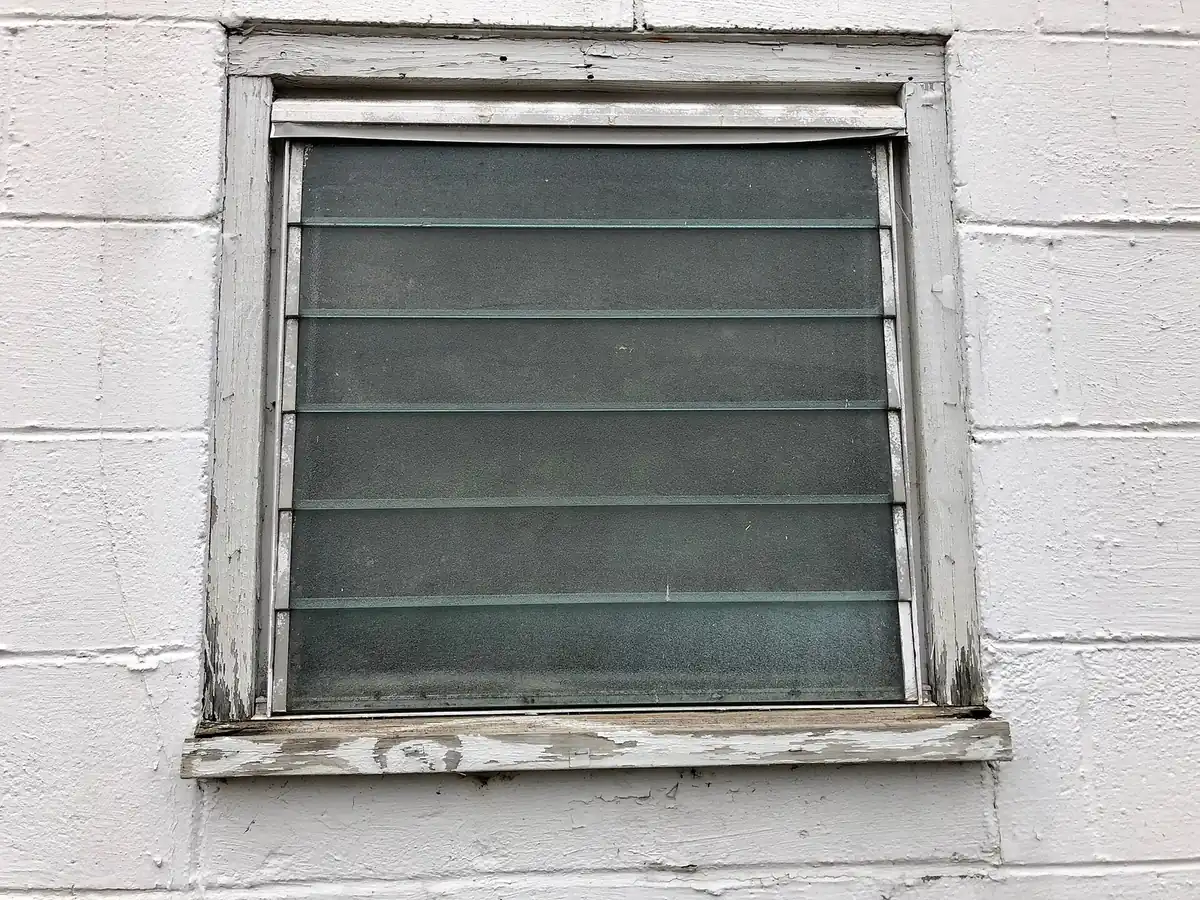
Jalousie Window Repair
Stuck cranks, loose clips and cracked louvers on the glass windows older Oahu houses still run on.
More on Jalousie Window Repair →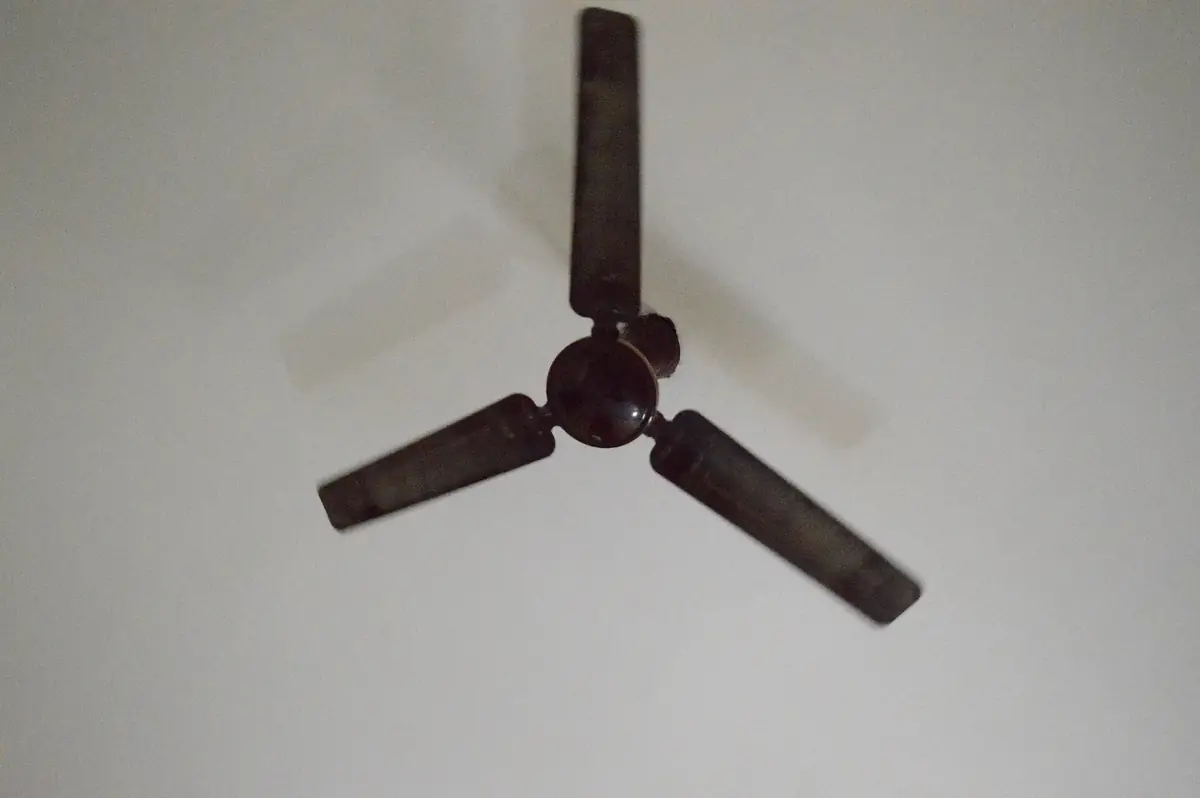
Wobbling, clicking, dead pull chains and fans that light up but will not turn, plus new fans hung on a box made to carry them. Houses and condos in Honolulu and around Oahu.
On a fan that is already up, the trouble usually sits in the mount, the blade screws or a switch inside the housing. We start at the ceiling and work down. New fans go on a box rated to carry a fan, swapped in from below when the old one is a plain light box. A fan where no box exists yet, a new wall switch, or a new circuit is a job for an electrician, and you hear that from us before any quote.
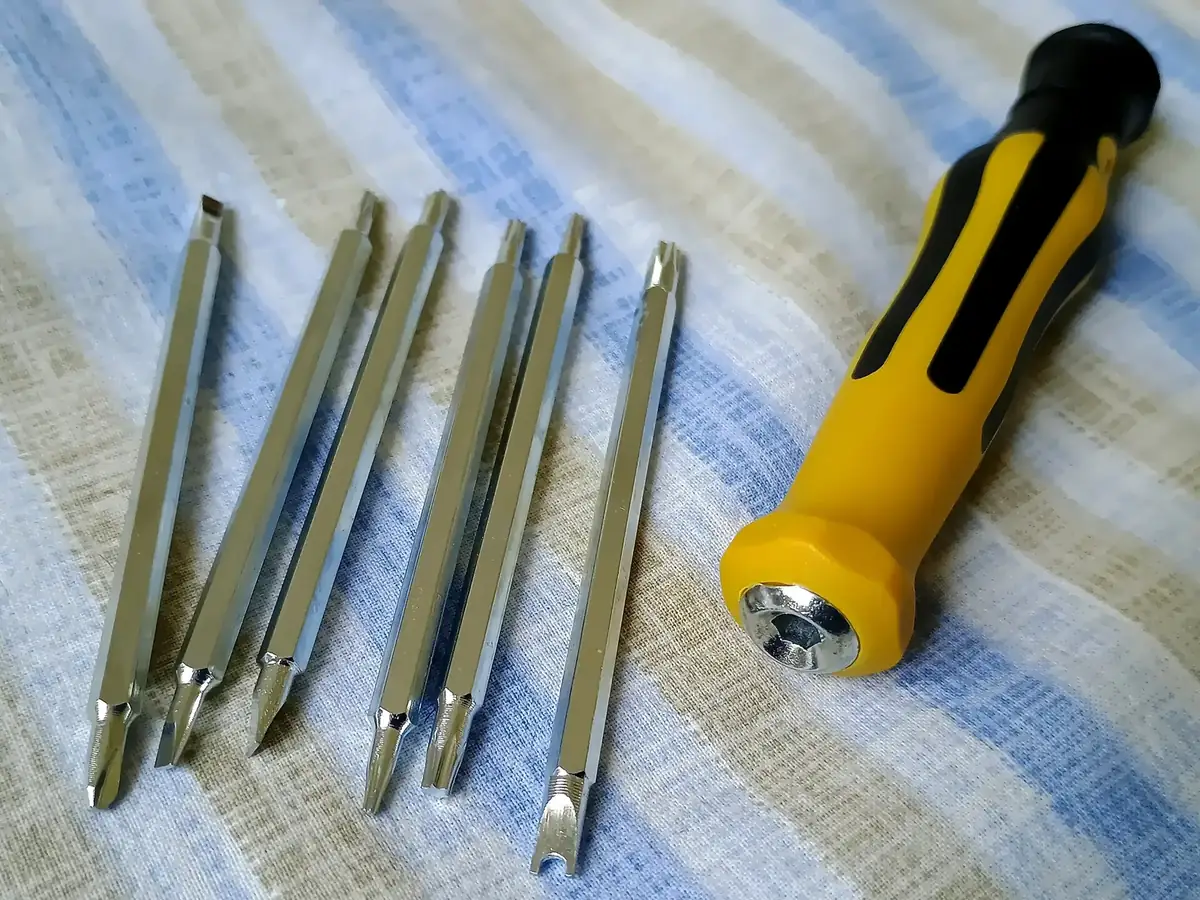
A light box cannot hold a ceiling fan unless it is listed and marked for fan support. A fixture just hangs there; a fan spins and twists its mount for hours. The code handles that separately: under NEC 314.27(C), renumbered 314.27(B) in the 2026 edition, a box that alone supports a paddle fan must be marked by its maker for fan support, may carry no fan over 70 lb, and must state its maximum weight above 35 lb. IRC E3905.8 adds that the marking goes inside the box, which is the first thing we read.
Tell us if it is a repair or a new fan, and send a photo of the fan, the ceiling, and the model label if you can reach it.
Installs get a written price up front, including a fan-rated box or brace if needed. Repairs are priced once we find the cause.
Fan centered where the wiring allows, downrod chosen for the ceiling, blades kept clear of walls, doors and cabinet tops.
Blade screws tightened, blades checked level, the fan run at every speed, and a balancing kit used if it still rocks on high.
Oahu homes lean on ceiling fans because most of them have no central air conditioning to fall back on. The EIA's 2020 residential energy survey found only 12 percent of Hawaii homes using central AC, while 65 percent used ceiling fans and about four in ten used no AC at all. Honolulu's warmest and coolest months sit only about 6 F apart on average, so a fan here runs most of the year, not one summer. All those hours land on the mount, the motor and the blade screws. That is why a repair visit from Kaimuki to Kaneohe starts with the box and the blades, not the remote.
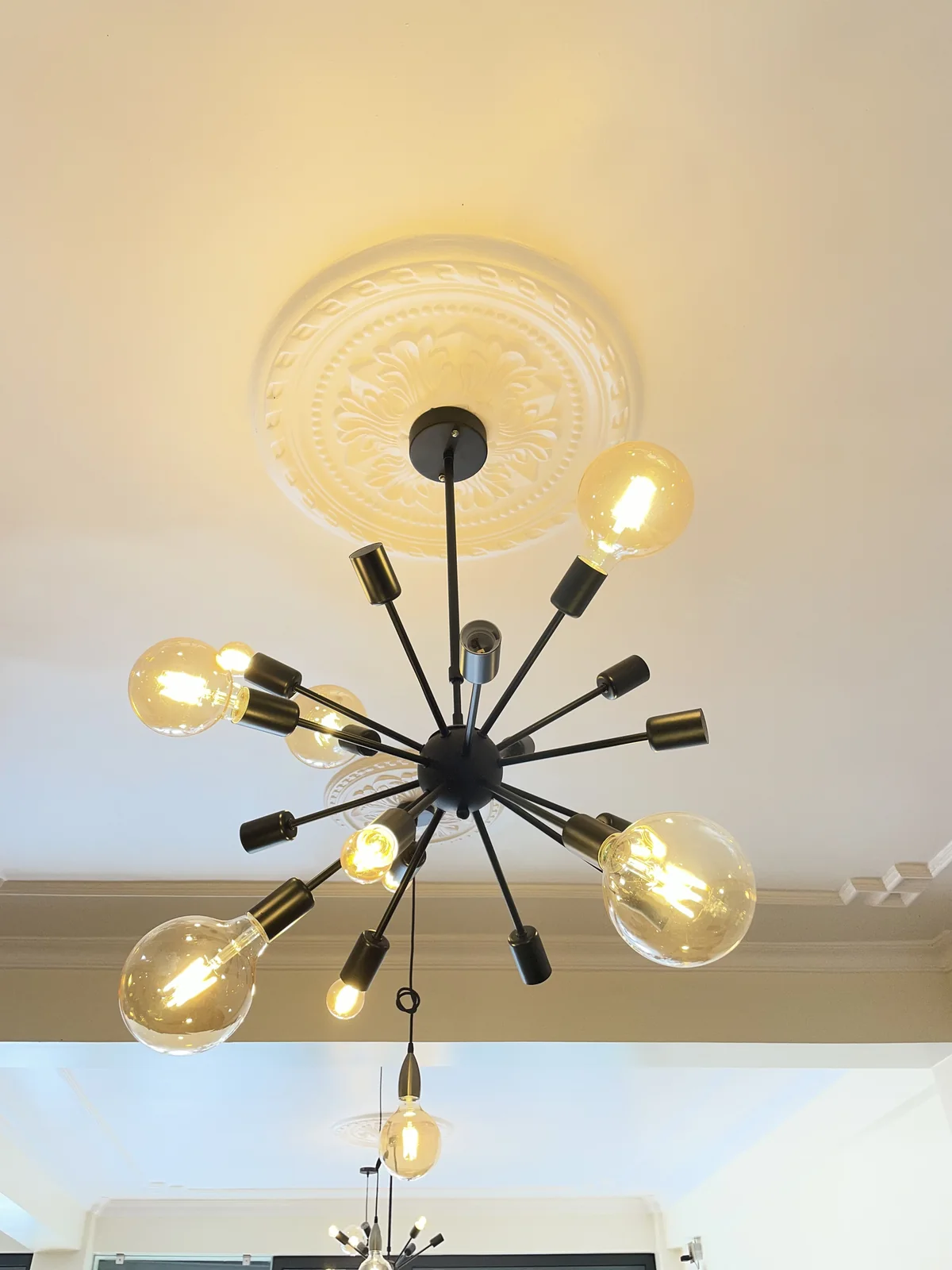
A ceiling fan wobbles or gets noisy when something between the ceiling box and the blade tips has worked loose or out of balance. Here is what each symptom tends to point to.
Loose blade screws or blades out of balance. If balancing does not cure it, the box or brace above is moving.
Often a loose blade screw, rattling light-kit glass, or a canopy that touches the ceiling each time the fan turns.
A loose canopy can buzz against the ceiling, and so can a wall control that was made for lights rather than fan motors.
The chain snapped off, or it spins without clicking. The switch inside the housing gets replaced like for like.
The fan side has lost power or given up: a switch, a loose connection in the canopy, or a worn-out motor.
A blade sitting lower than the rest has a bent or cracked arm. Take it out of service until it is checked.
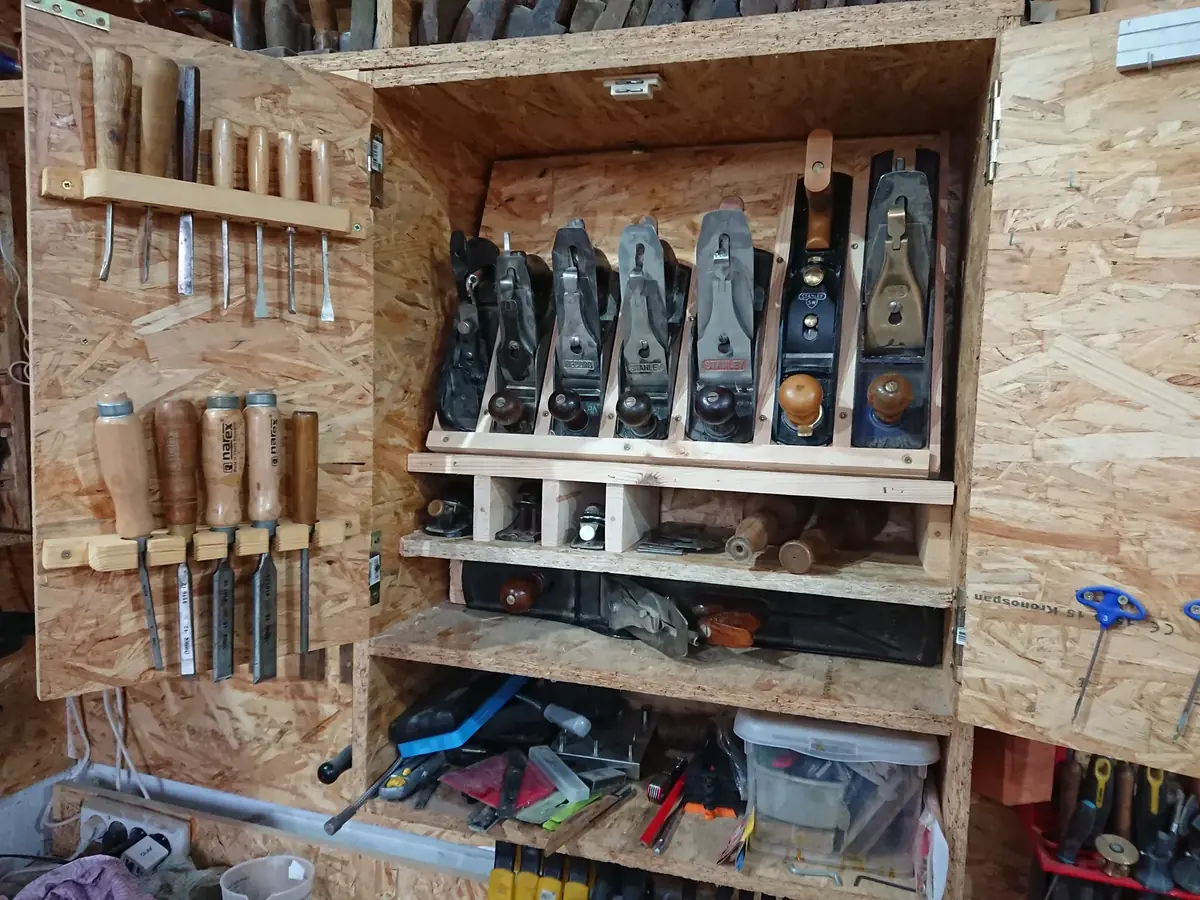
One visit can cover several items. These six are the ones Honolulu homes ask about most; the full list sits further down the homepage.
Stuck cranks, loose clips and cracked louvers on the glass windows older Oahu houses still run on.
More on Jalousie Window Repair →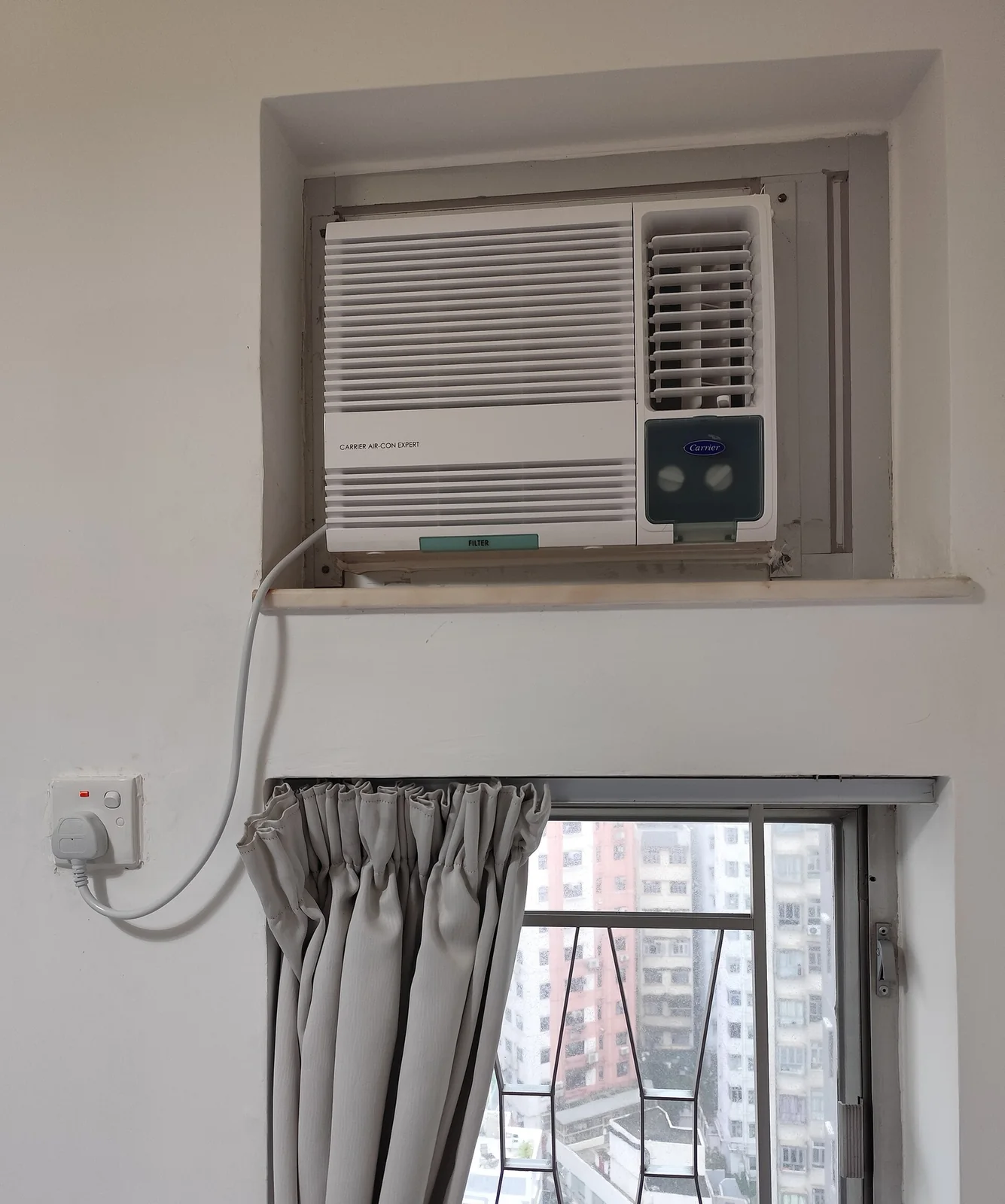
A window unit set on a proper bracket, sealed at the sides, and draining away from the wall.
More on Window AC Installation →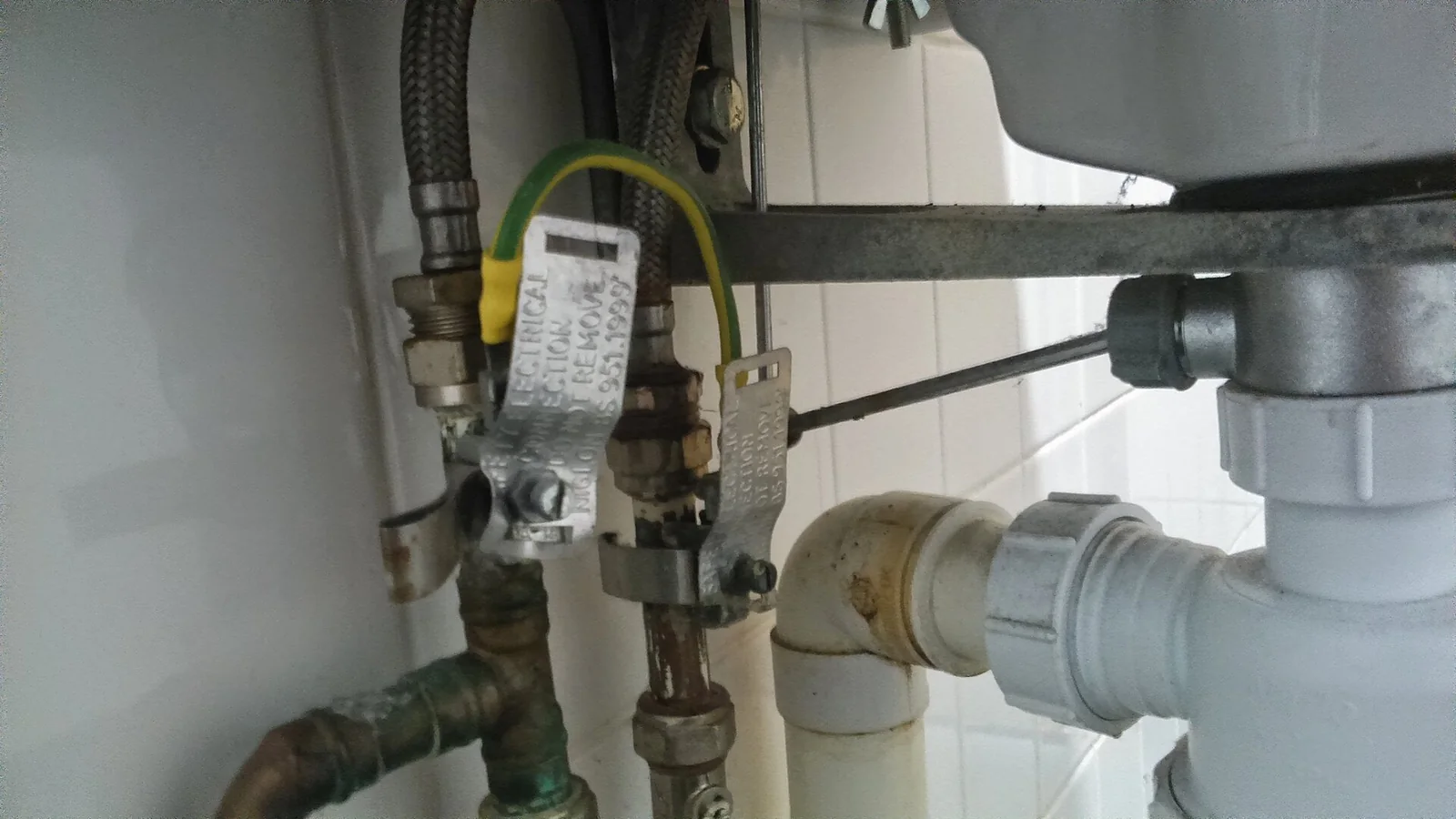
Jammed, humming or leaking disposals cleared, reset or swapped for a new unit under the sink.
More on Garbage Disposals →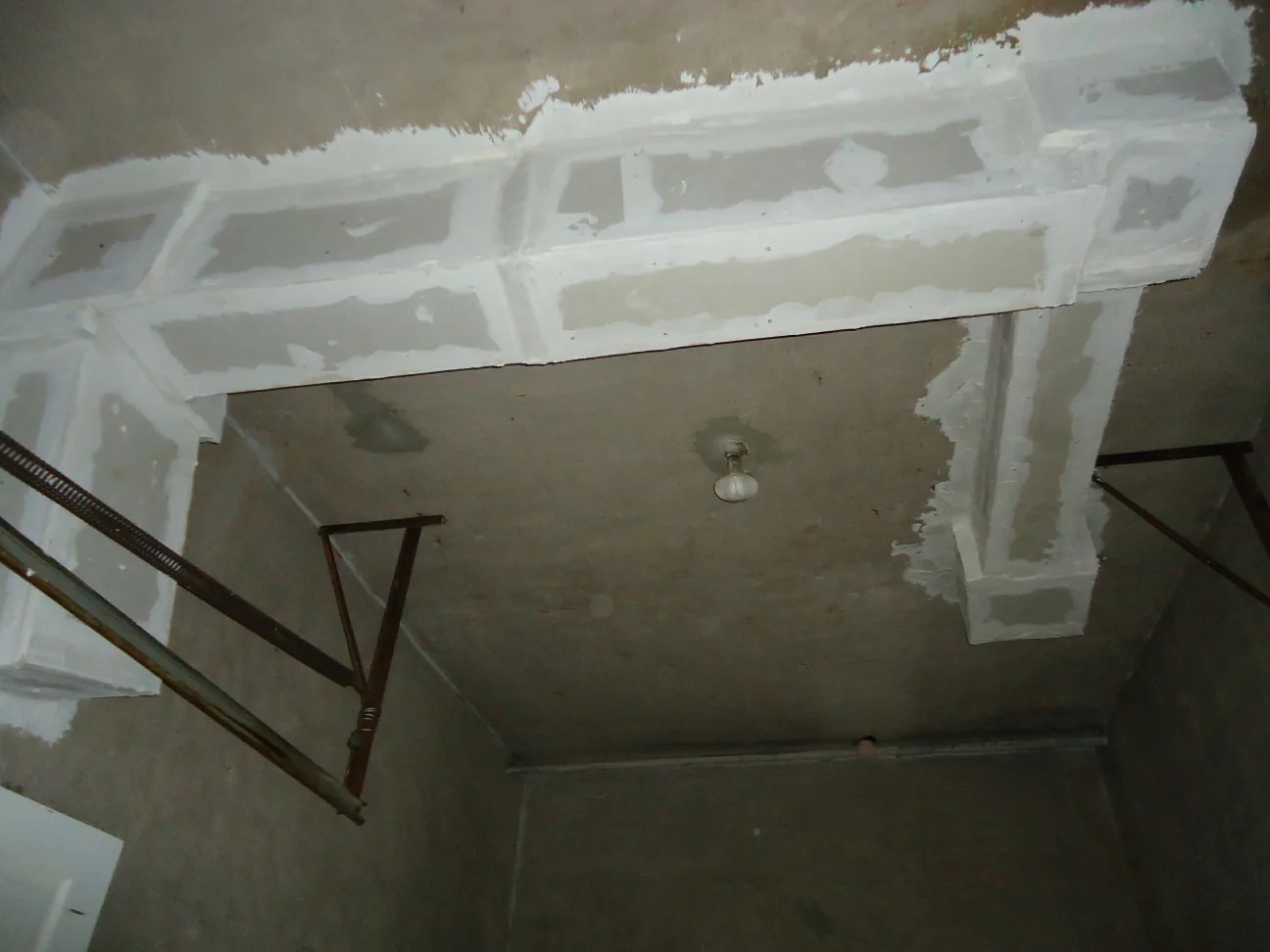
Holes, cracks, nail pops and water-stained patches cut out, taped, mudded and blended.
More on Drywall Repair →A fan hung on a box rated to carry it, balanced so it stops wobbling at full speed.
More on Ceiling Fan Installation →
A screen mounted into studs or the right concrete anchor, with the cables kept tidy.
More on TV Mounting →