
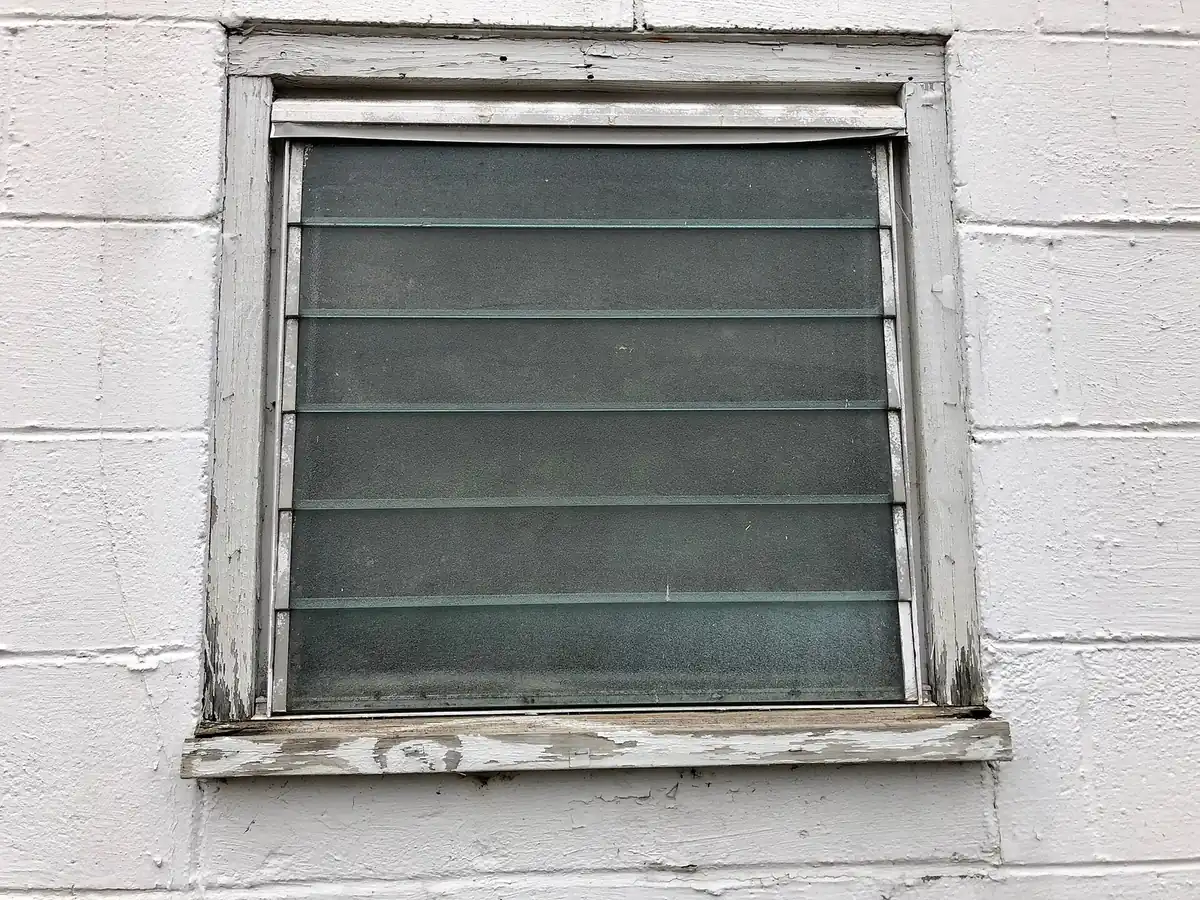
Jalousie Window Repair
Stuck cranks, loose clips and cracked louvers on the glass windows older Oahu houses still run on.
More on Jalousie Window Repair →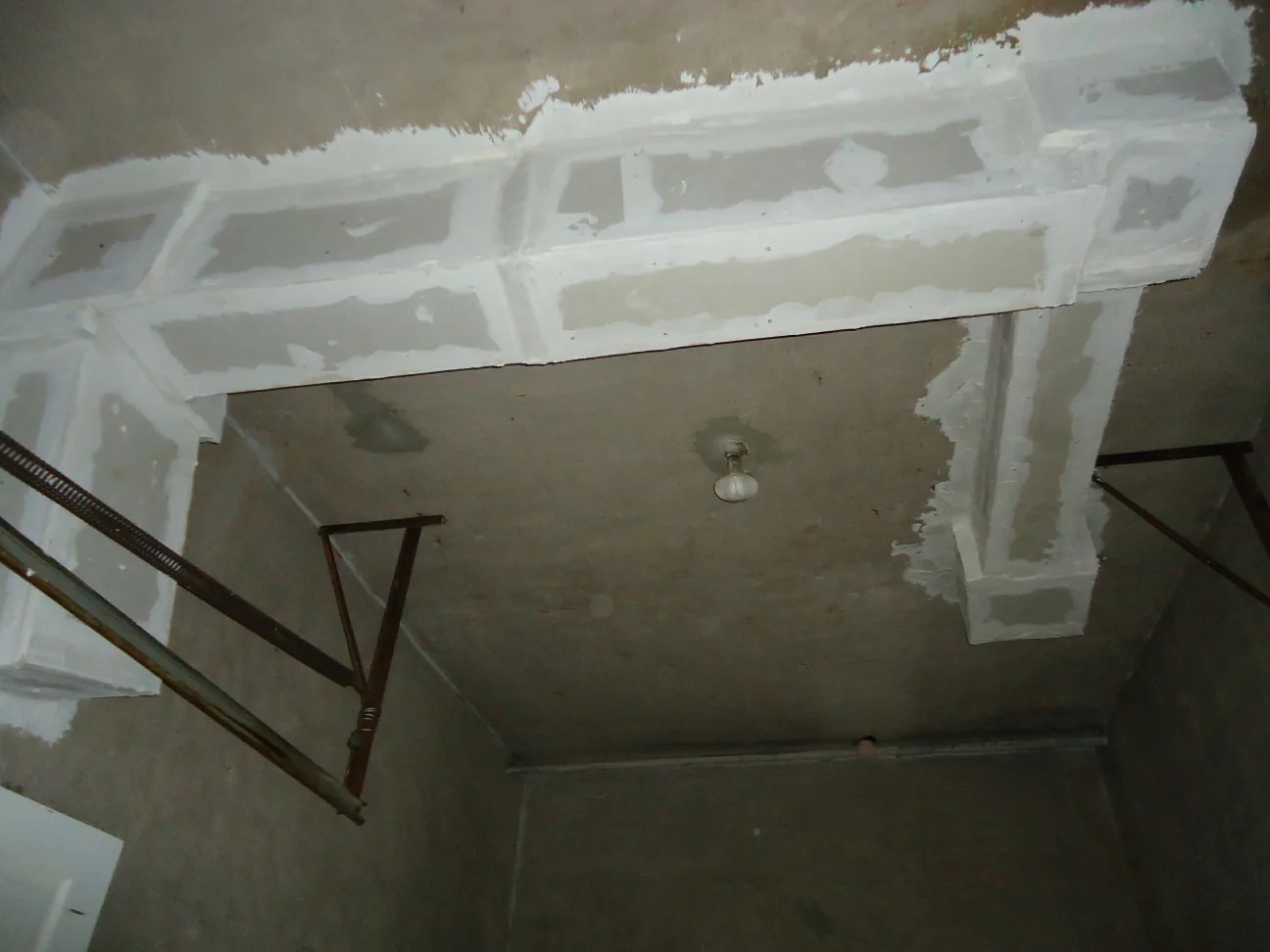
A doorknob through the wall, a crack climbing from a door corner, screw heads popping out of the ceiling, a brown ring where a leak once dripped. We patch, tape and feather drywall in Oahu houses and condos, quoted per job.
A clean drywall patch takes more than one visit because the finish comes from the second and third coats of compound, and each one has to dry before the next goes on. Rushing it is how you get a bump you can see from across the room. Each coat is spread wider than the last and checked with a straightedge. That is also why most patching is priced per job instead of by the hour. You should not pay for compound drying.
Send a picture with a tape measure or a coin beside the damage, and mention the rough age of the house.
Before quoting we look for what made the mark: a leak still running, a door handle with no stop, or a settling crack.
Damaged board is squared off, backer strips go behind larger holes, and joints get paper tape bedded in compound.
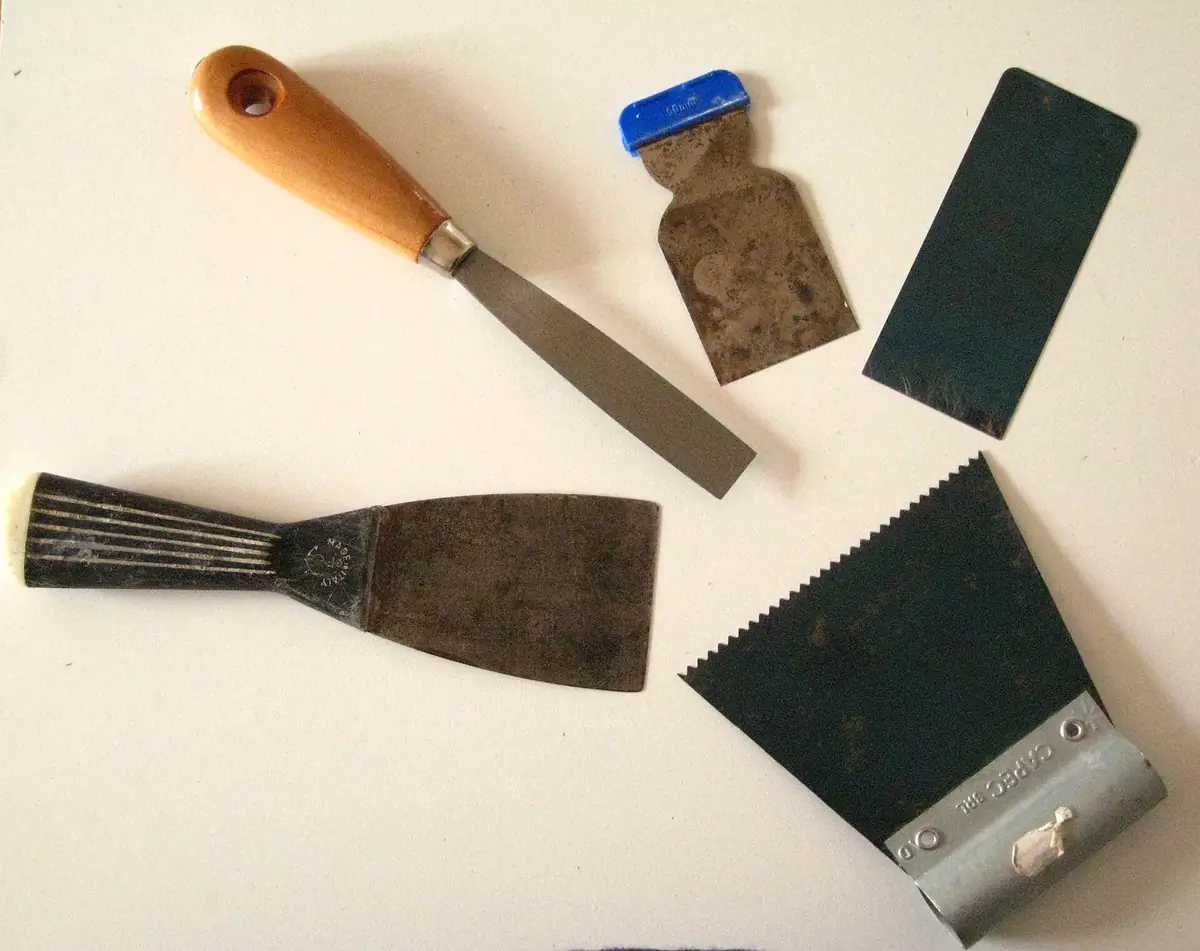
Thin coats are spread wider each time, sanded between, then textured to match the wall around them so paint hides the repair.
| What matters | Surface patch | New piece of board |
|---|---|---|
| Suits | Dings, small holes, screw and nail pops | Holes too big to bridge, soft or leak-stained board |
| How it is done | Compound alone, or a self-adhesive patch | Hole squared off, wood backer strips screwed behind the edges, new board fitted |
| Tape | Often none needed | Paper tape bedded in compound on every seam |
| Time | Short, but still more than one coat | Often a return visit or a two-day job |
| Pre-1978 house | Disturbs very little paint | The whole cut-out counts toward the lead rule's room limit |
Drywall repair in older Honolulu homes is different for two reasons: the paint on the wall may contain lead, and some walls are not drywall at all. Census figures put 67.8 percent of the island's structures in the 1940 to 1989 bracket, so plenty of rooms predate 1978, when the EPA lead rule draws its line. In those houses a cut-out counts as disturbed paint, and the minor repair exemption ends at 6 square feet per room indoors. Then there are single-wall homes, built from one layer of vertical boards with little or no stud framing behind them. A dent there is a board, not a sheet of gypsum, so we look before we quote.
Sources: EPA, 40 CFR 745.83; DBEDT Data Book 2024, Table 21.17 (ACS 2019-2023)
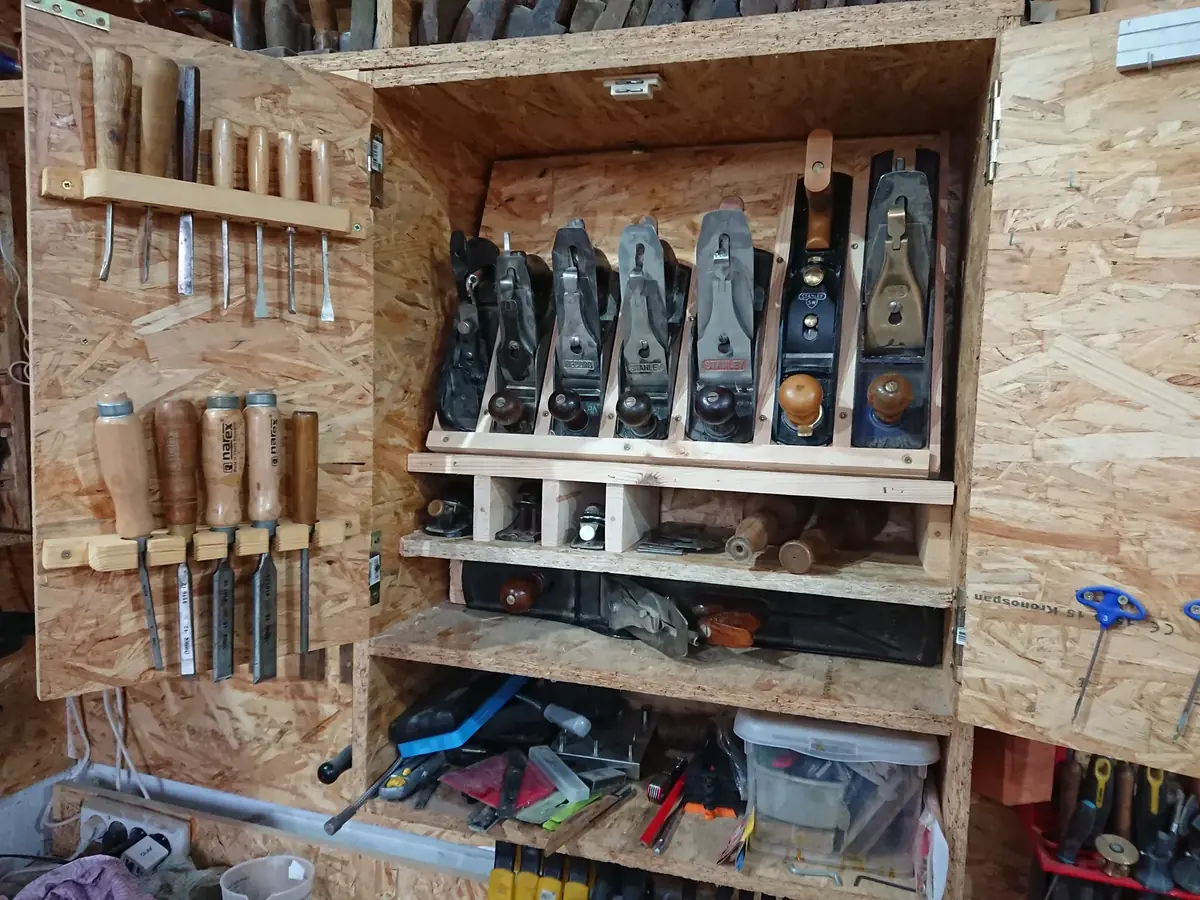
One visit can cover several items. These six are the ones Honolulu homes ask about most; the full list sits further down the homepage.
Stuck cranks, loose clips and cracked louvers on the glass windows older Oahu houses still run on.
More on Jalousie Window Repair →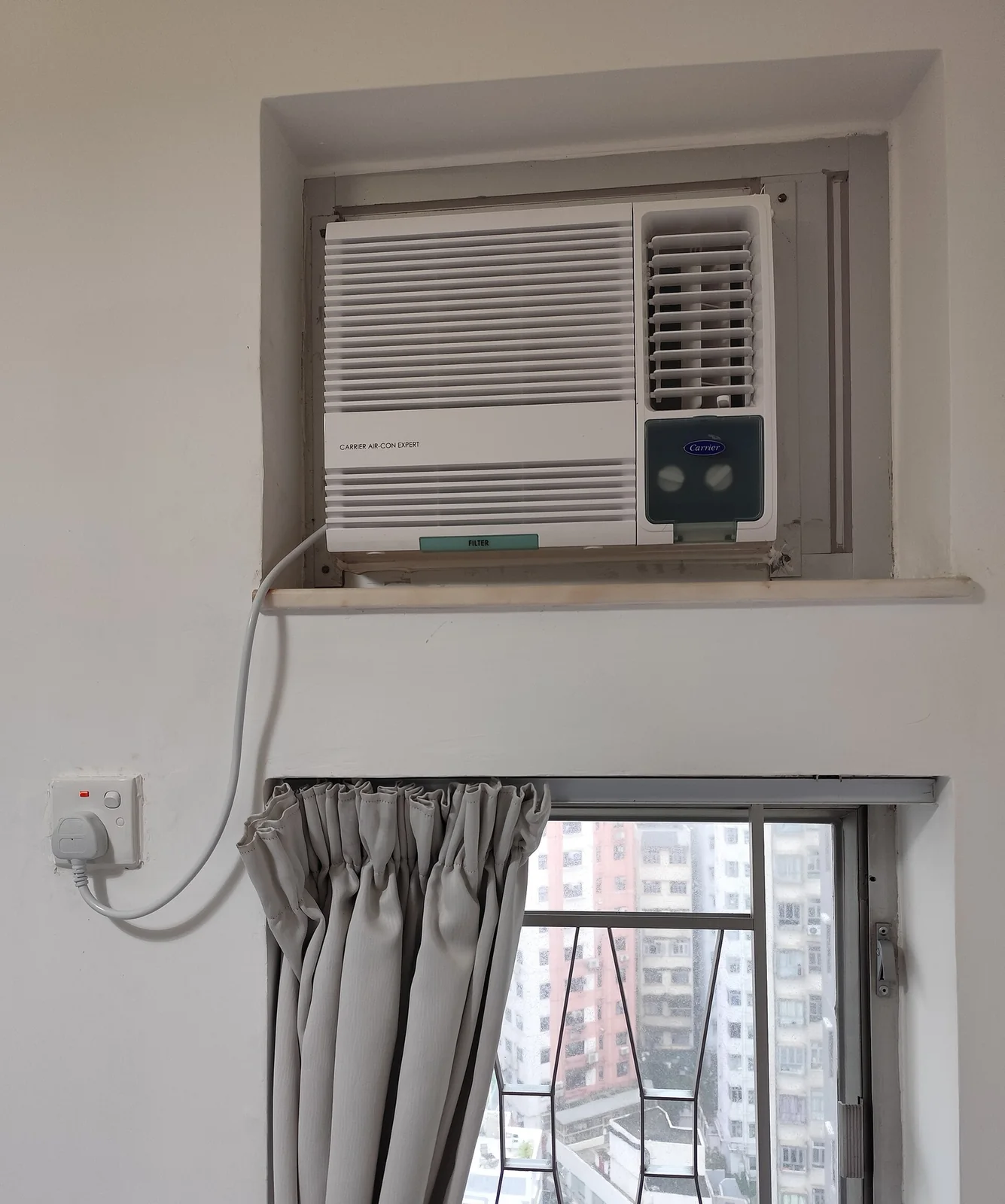
A window unit set on a proper bracket, sealed at the sides, and draining away from the wall.
More on Window AC Installation →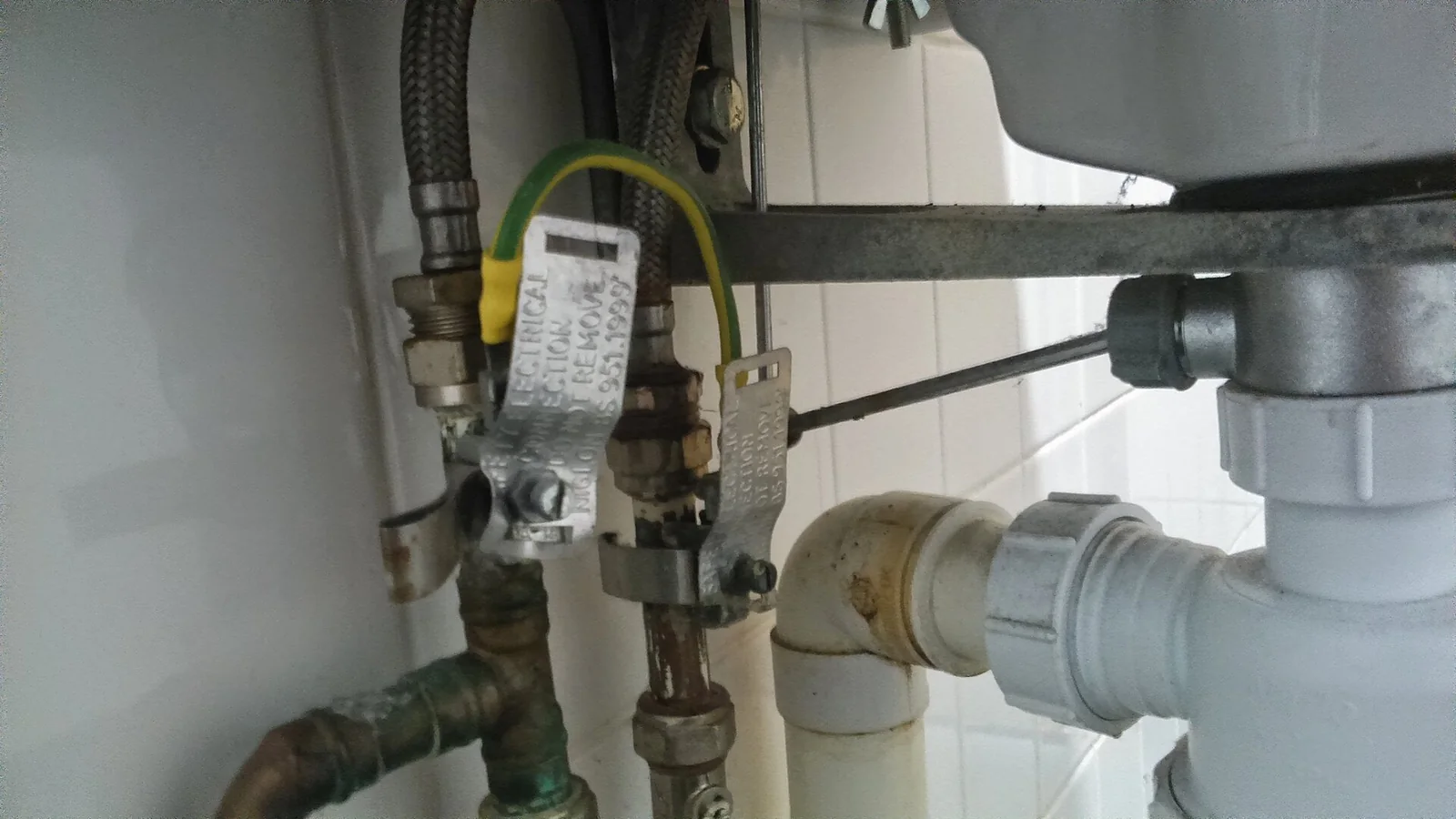
Jammed, humming or leaking disposals cleared, reset or swapped for a new unit under the sink.
More on Garbage Disposals →Holes, cracks, nail pops and water-stained patches cut out, taped, mudded and blended.
More on Drywall Repair →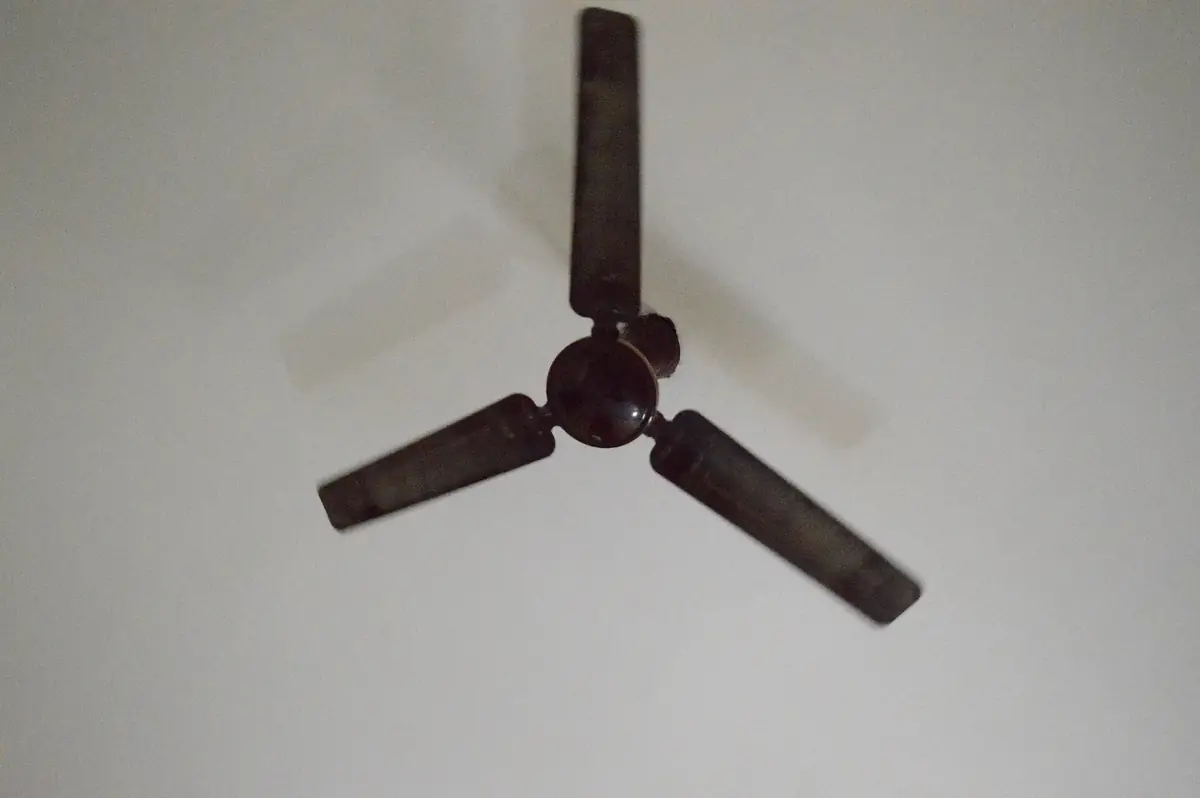
A fan hung on a box rated to carry it, balanced so it stops wobbling at full speed.
More on Ceiling Fan Installation →
A screen mounted into studs or the right concrete anchor, with the cables kept tidy.
More on TV Mounting →