
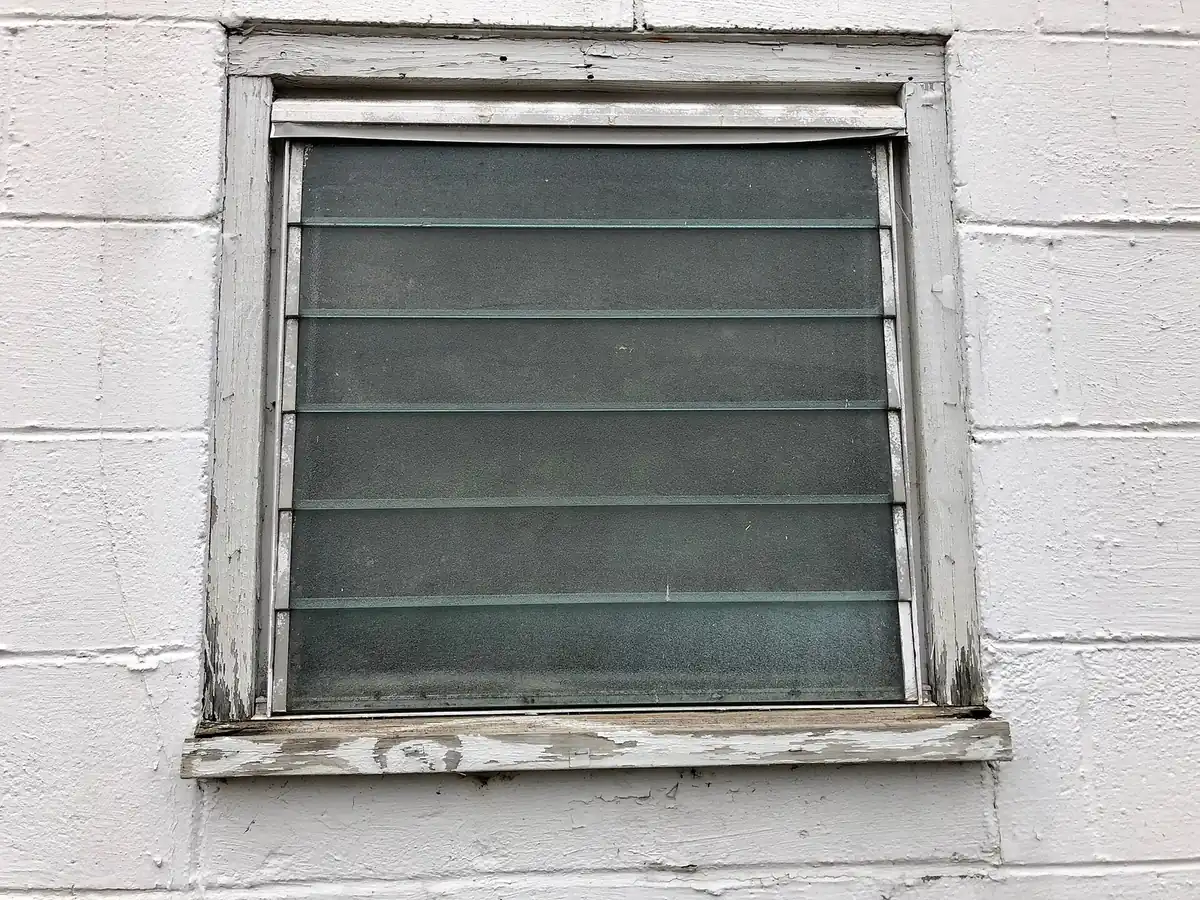
Jalousie Window Repair
Stuck cranks, loose clips and cracked louvers on the glass windows older Oahu houses still run on.
More on Jalousie Window Repair →Two kinds of house share one ZIP up on the central plateau: the Town side, built mostly between 1970 and 1989, and the younger Mauka streets. We fix doors, cabinets, fixtures and walls in both.
One visit can cover several items. These six are the ones Honolulu homes ask about most; the full list sits further down the homepage.
Stuck cranks, loose clips and cracked louvers on the glass windows older Oahu houses still run on.
More on Jalousie Window Repair →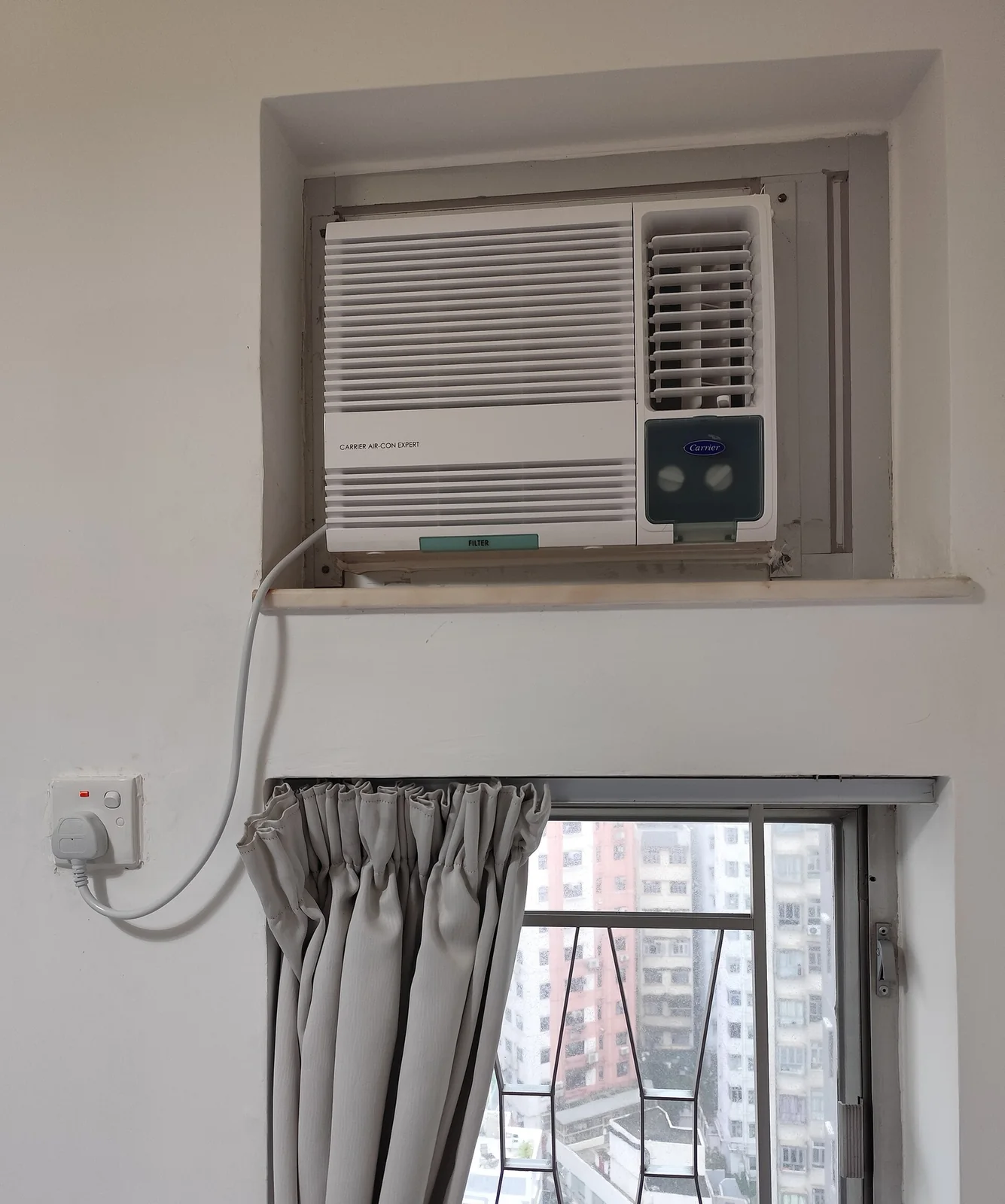
A window unit set on a proper bracket, sealed at the sides, and draining away from the wall.
More on Window AC Installation →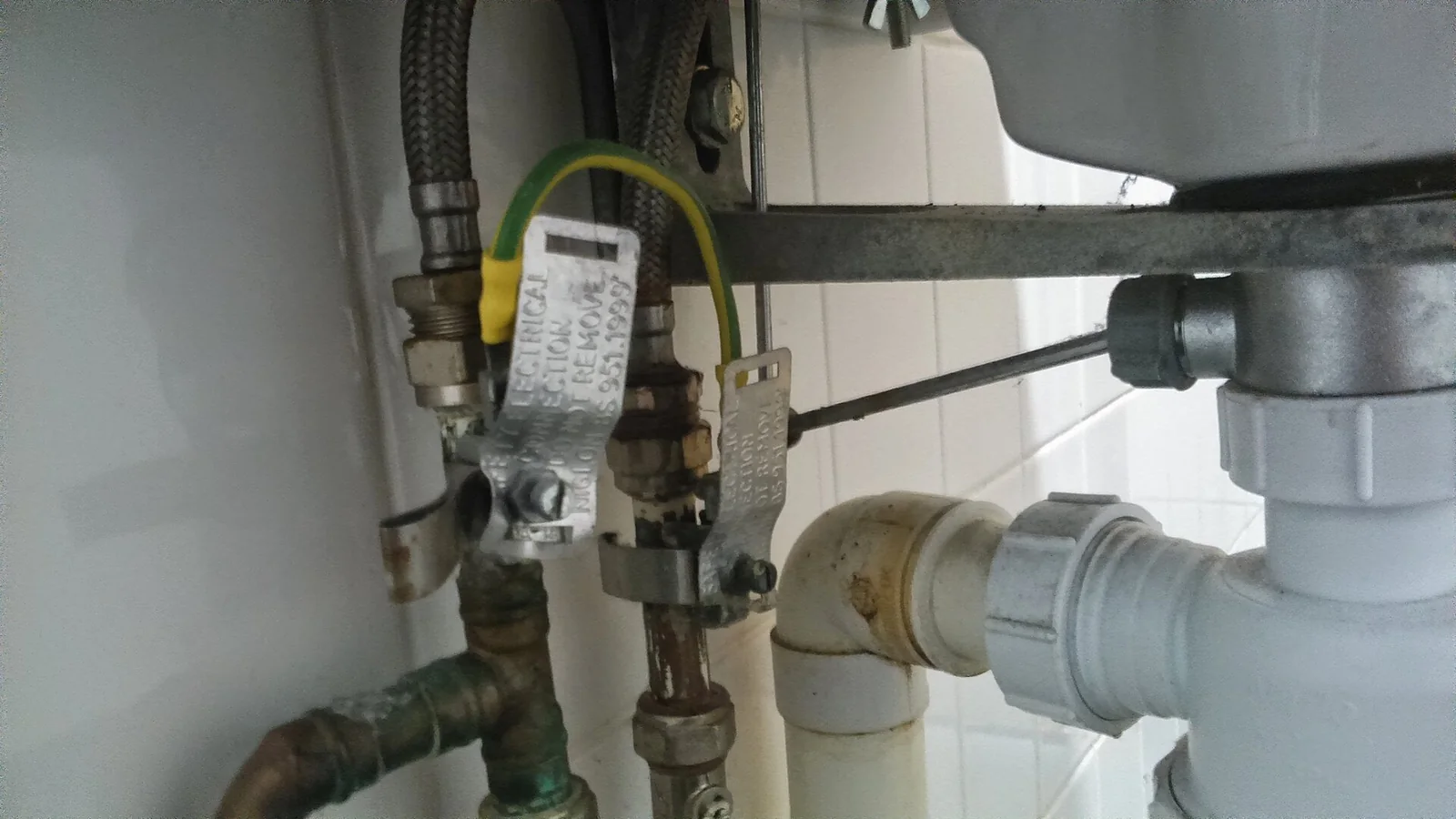
Jammed, humming or leaking disposals cleared, reset or swapped for a new unit under the sink.
More on Garbage Disposals →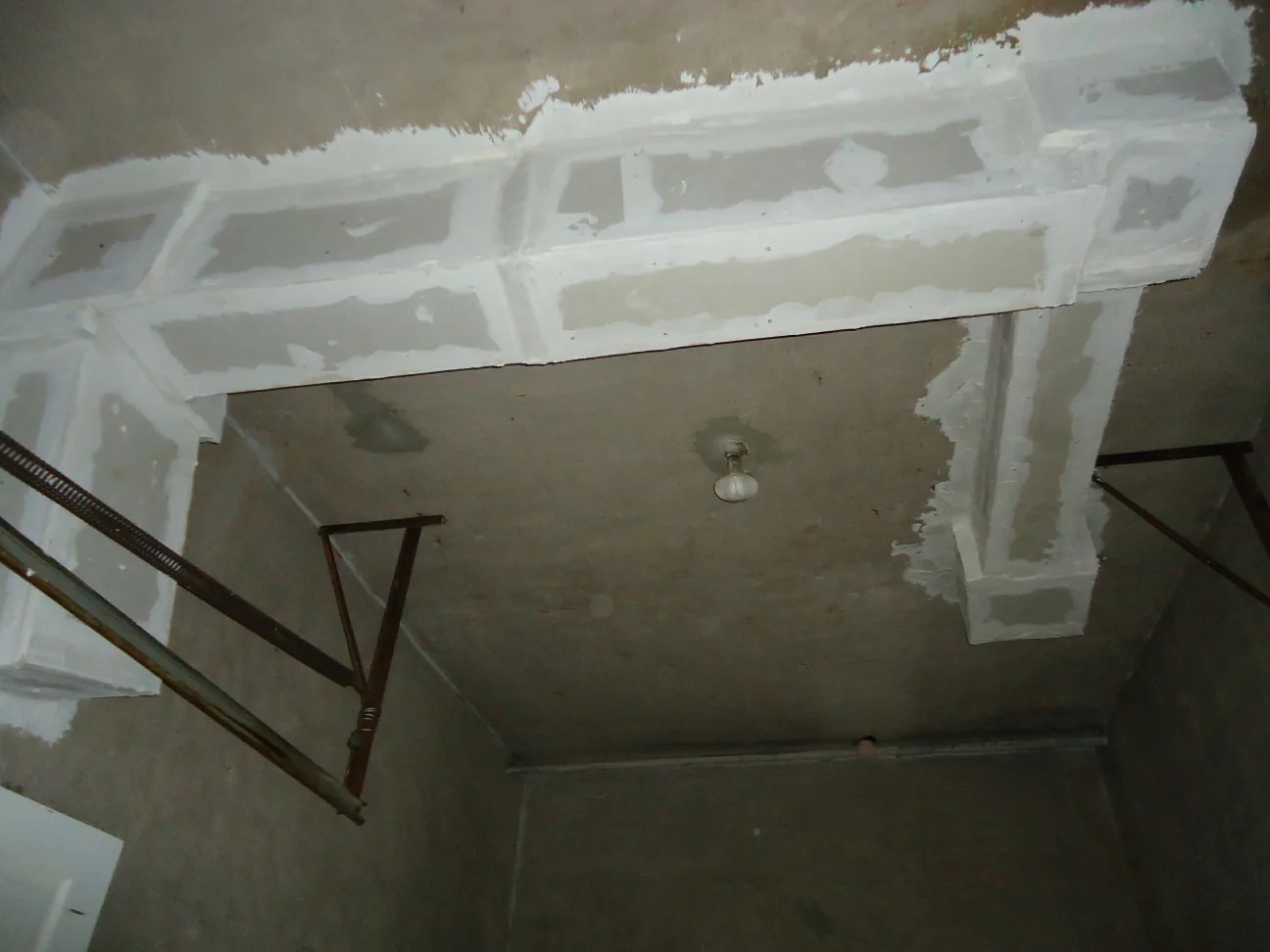
Holes, cracks, nail pops and water-stained patches cut out, taped, mudded and blended.
More on Drywall Repair →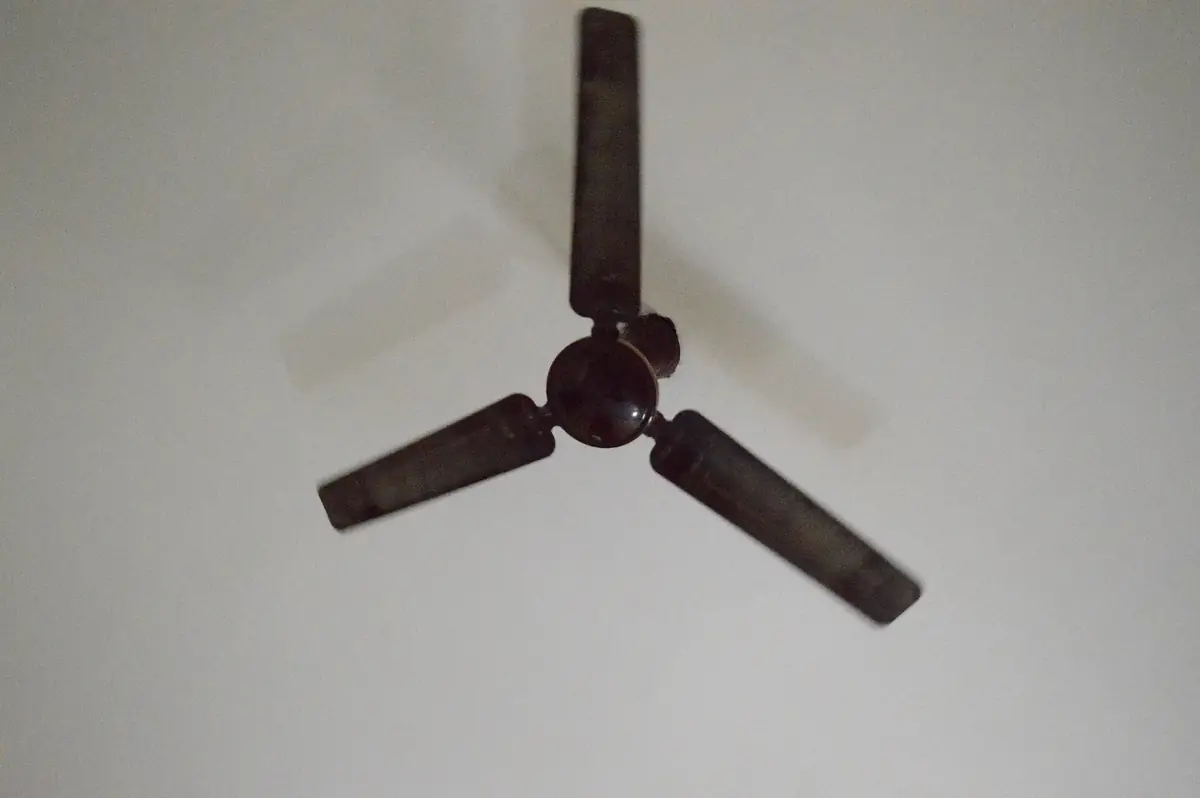
A fan hung on a box rated to carry it, balanced so it stops wobbling at full speed.
More on Ceiling Fan Installation →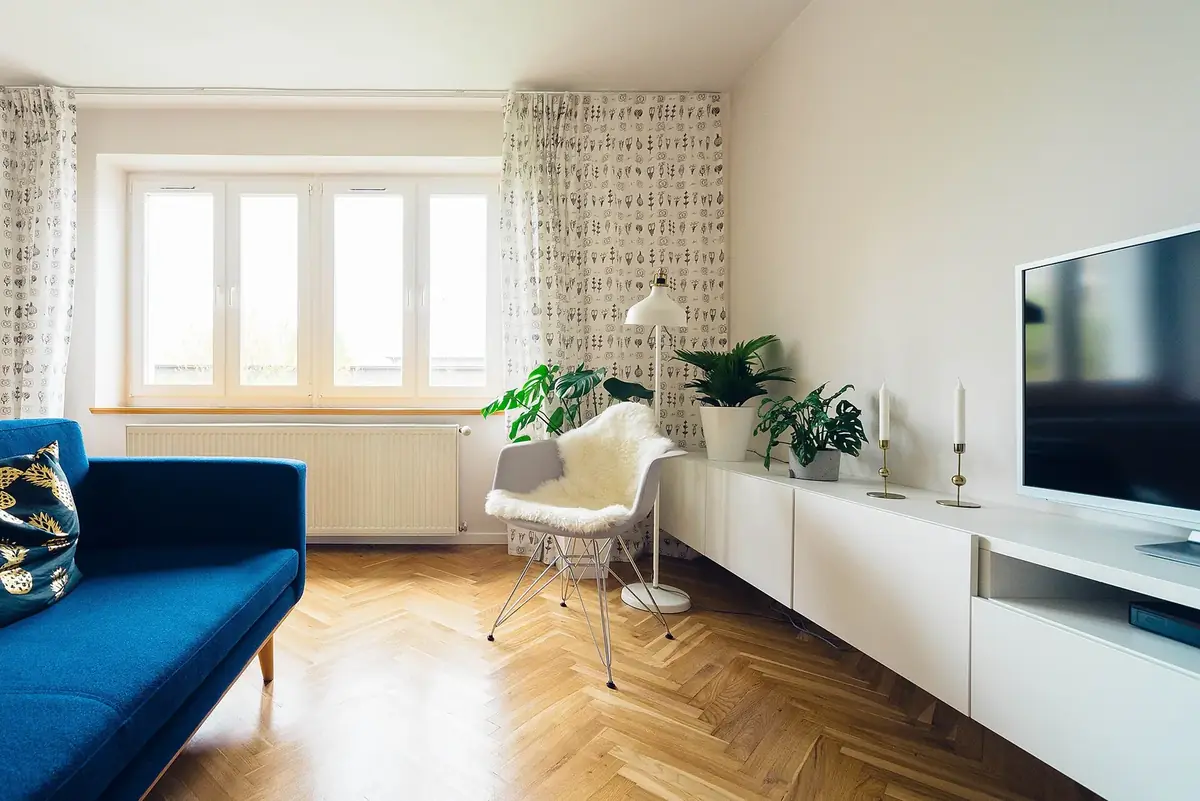
A screen mounted into studs or the right concrete anchor, with the cables kept tidy.
More on TV Mounting →We cover the whole 96789 ZIP, from the older Town loops up to Mauka and Launani Valley, plus Waipio Acres at the south edge of the plateau.
A one-era suburb, so the original hinges, bifold tracks, faucet cartridges and tub joints on a street tend to wear out within a few years of each other.
The newer side of the ridge road, where calls lean toward cabinet hinge tuning, light fixture swaps and TV mounts rather than worn-out originals.
Shares a neighborhood board with Mauka, and we book it on the same run, so a short list here rarely waits long for a slot.
Inside the same ZIP at the bottom of the plateau, close enough to pair with a Town job on one trip.
Mililani homeowners call a handyman mostly for the slow, shared wear of houses that went up together. Census estimates put 83 percent of Mililani Town's homes in the 1970 to 1989 window, so the same hinges, closet tracks, faucet cartridges and tub joints tend to give out street by street. Mauka is younger, with 42 percent built in 2000 or later, and its list leans toward cabinet hinges, fixtures and mounts. The plateau also changes the weather indoors: the Wheeler station keeps a 42.5-inch yearly rain average, well above the Waikiki gauge, so wood doors swell more up here. Salt is the easy part. The University of Hawaii study measured central Oahu lowest on the island.
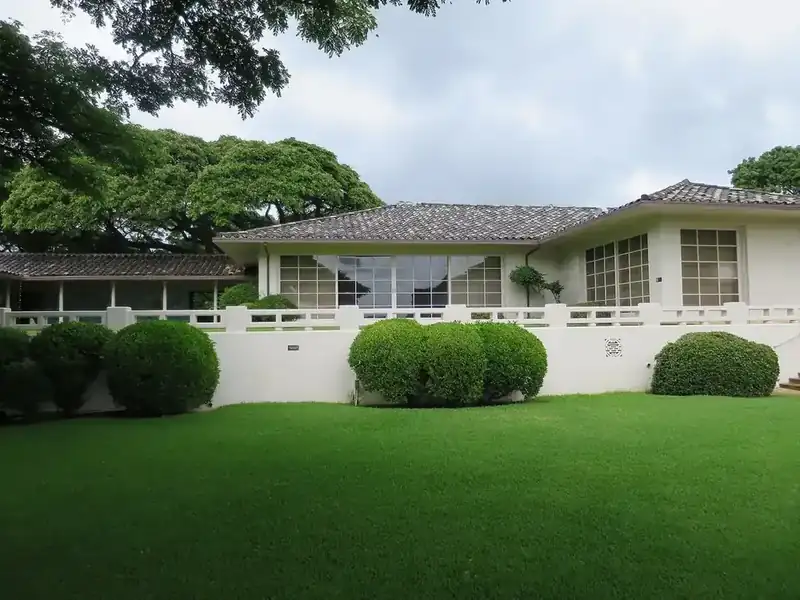
Detached houses from two building eras fill most of the area. Census figures count 9,945 units on the Town side, 65 percent detached and fewer than one in five rented, and 7,831 in Mauka, where 55 percent are detached. Almost none of the Town units sit in big buildings, so few jobs here wait on a condo board.
That shapes the visit. Owners who plan to stay tend to keep a running list: a gate that drags, a tub spout that drips, a closet door off its track. Census counts also show a steady off-base military presence in Mauka, so some calls come from families setting up a house after a move.
Source: U.S. Census Bureau, ACS 2019-2023 5-year estimates, via the Hawaii State Data Center
From here we head down to Pearl City, Waipahu and Aiea, out to Kapolei and Ewa Beach, or over the Koolau to Kailua and Kaneohe. The quote names the full number, travel included, before anything starts.