
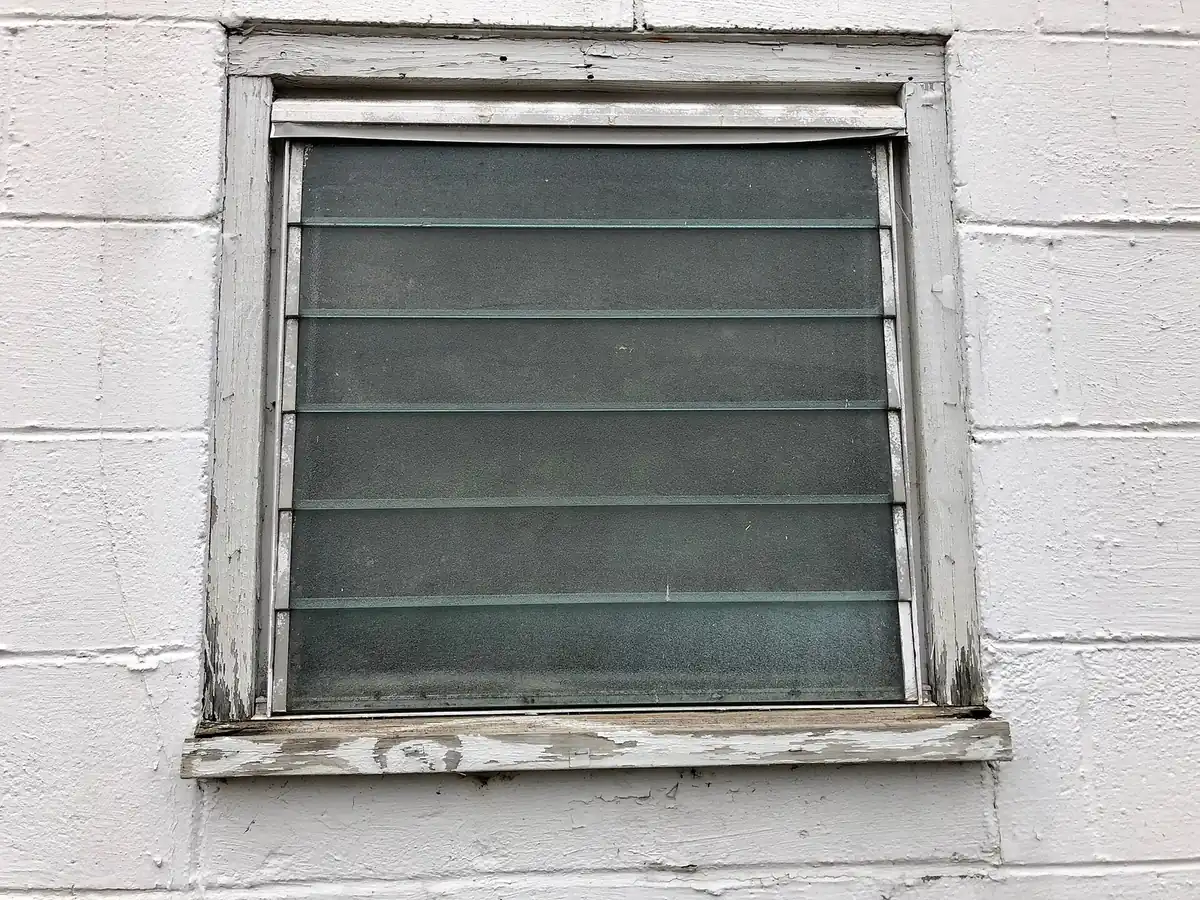
Jalousie Window Repair
Stuck cranks, loose clips and cracked louvers on the glass windows older Oahu houses still run on.
More on Jalousie Window Repair →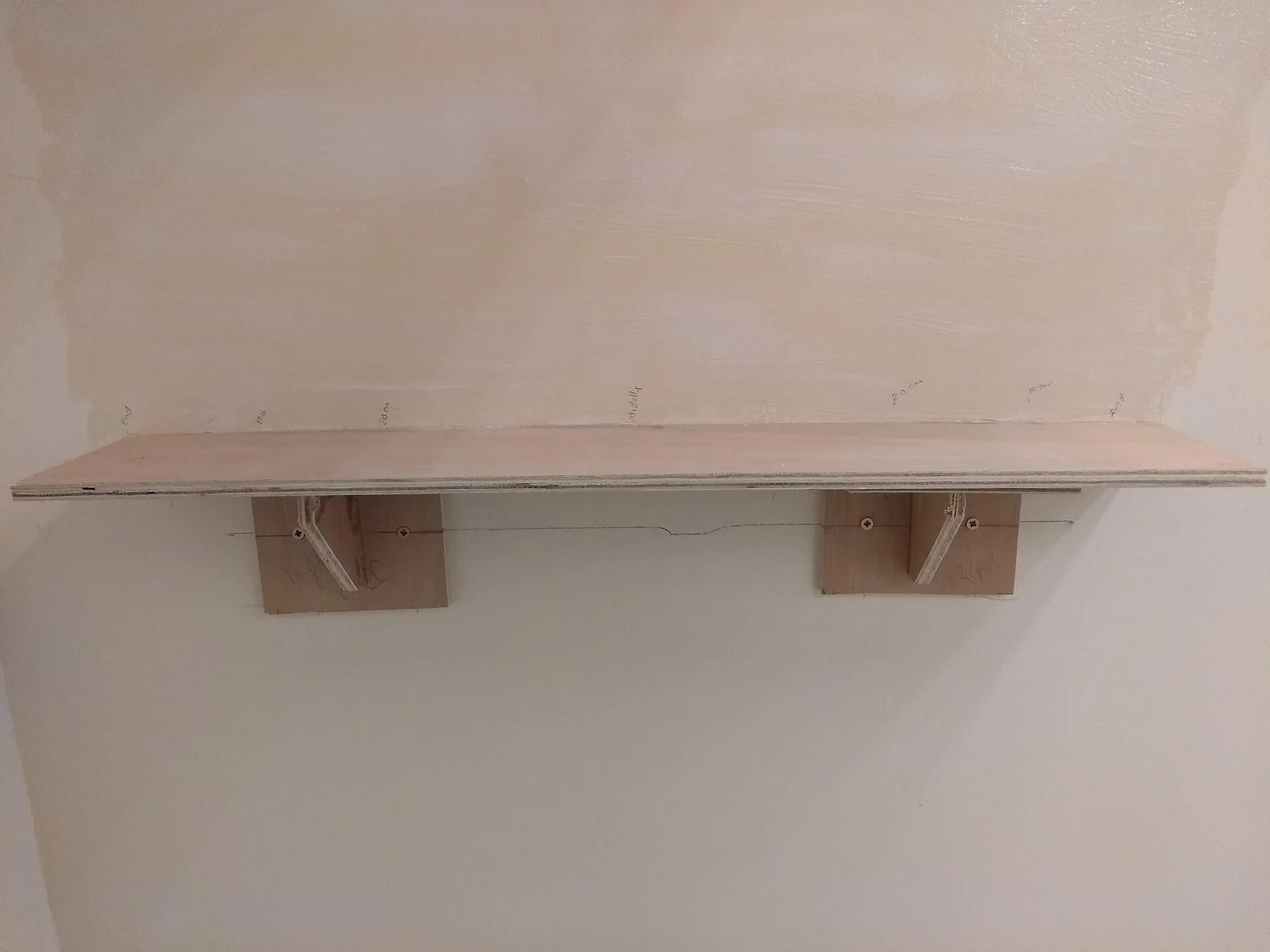
Closet shelving, floating shelves, heavy mirrors, framed art, curtain rods and blinds, fixed into studs or into the anchor the wall behind them calls for. Houses, rentals and condo units from Makiki to Mililani and Hawaii Kai.
Because the wall, not the hardware in the box, decides what a shelf or mirror can hold, and reading the wall is the real job. A bare screw in drywall holds only a few pounds before the crumbly gypsum lets it pull straight out. Studs come first. Where none lands, a toggle that opens behind the board outholds a plastic sleeve.
A shelf or mirror about to fall usually warns you first: the anchor creeps forward, the bracket tilts, or a crack spreads out from the screw. Here is what each warning means.
The brackets sit on plastic sleeves that are crushing the gypsum around them, and the load keeps winning.
A sleeve that slides forward has lost its grip; it only ever held as well as the drywall around its hole.
Plaster in older homes cracks easily, so it needs its own anchors and slow, careful drilling, not a hammer and a nail.
Curtain rods get tugged sideways every day, and a bracket screwed into bare drywall loosens a little with each pull.
A heavy frame on one hook rocks off level; two fixings into a stud or toggles hold it still and square.
A long closet shelf loaded with clothes needs support along the back wall into studs, not just at its two ends.
Tell us what is going up, roughly how heavy each piece is, and which wall; a photo of the wall helps us bring the right anchors.
On site we find studs and tap for plaster, concrete or board, then confirm the written quote before a single hole is drilled.
Heights and spacing are marked with you standing there, checked with a level, and agreed before the drill comes out.
Fixings in, pieces up, every shelf pulled by hand to test it, dust vacuumed and the old holes filled.
Behind the walls of Honolulu homes you will find one of three things: drywall over studs, concrete or masonry, or, in older plantation-style houses, a single layer of wood boards with no stud cavity at all. Single-wall building was the cheapest way to put up a house in Hawaii for decades and stayed in use as late as the 1970s, according to a State Register nomination. On those walls a shelf goes onto or through the board layer itself, and the c.1940 tongue-and-groove type has a mid-height girt worth finding. Masonry takes a hammer drill and masonry anchors. Plaster cracks easily and gets its own anchors. Drywall over studs is the easy case.
If the wall can't carry what you want on it, we tell you before drilling and show you a spot or a fixing that can. Nothing goes up on a guess. Every shelf gets a hard pull by hand before we call it done.
One visit can cover several items. These six are the ones Honolulu homes ask about most; the full list sits further down the homepage.
Stuck cranks, loose clips and cracked louvers on the glass windows older Oahu houses still run on.
More on Jalousie Window Repair →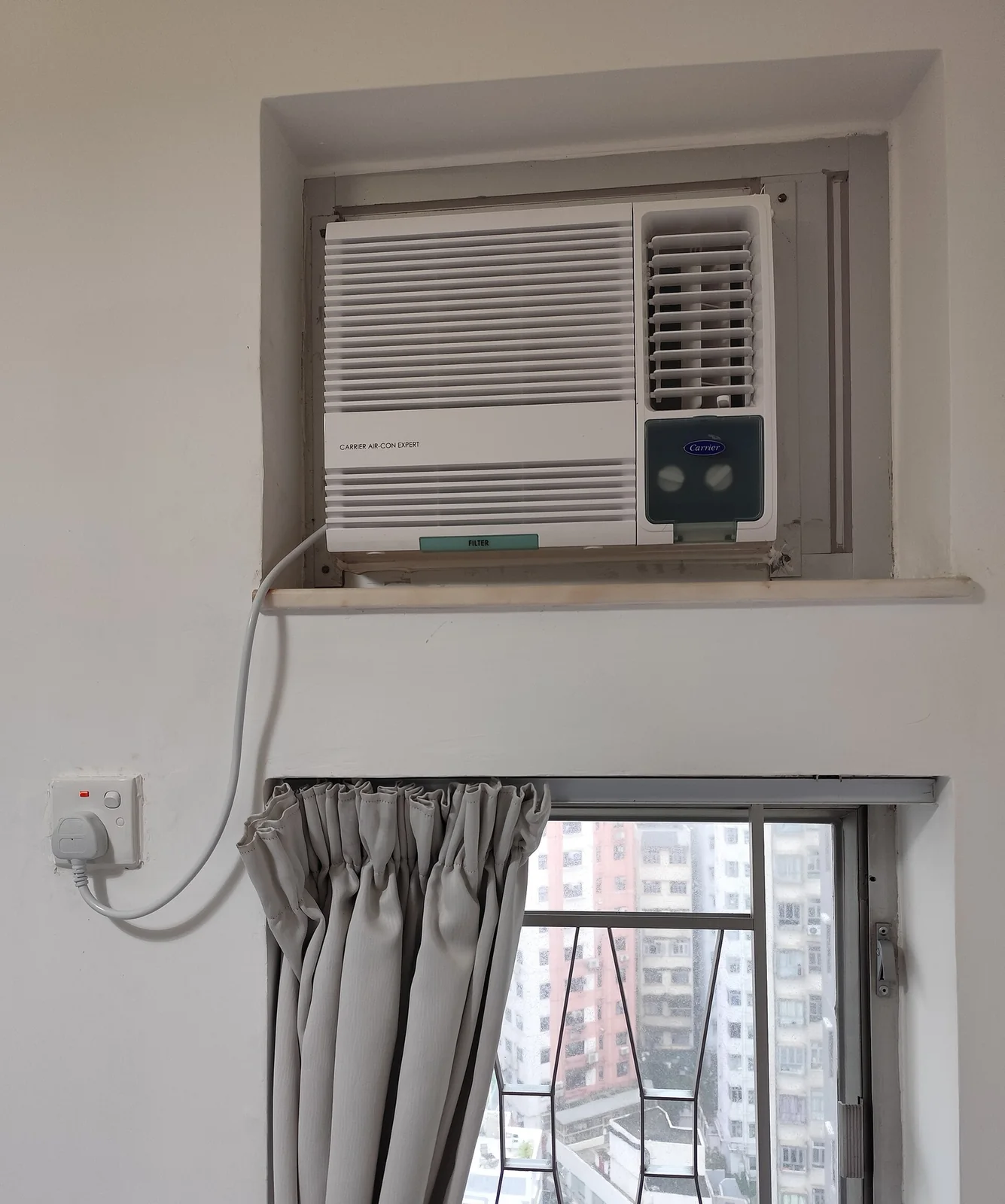
A window unit set on a proper bracket, sealed at the sides, and draining away from the wall.
More on Window AC Installation →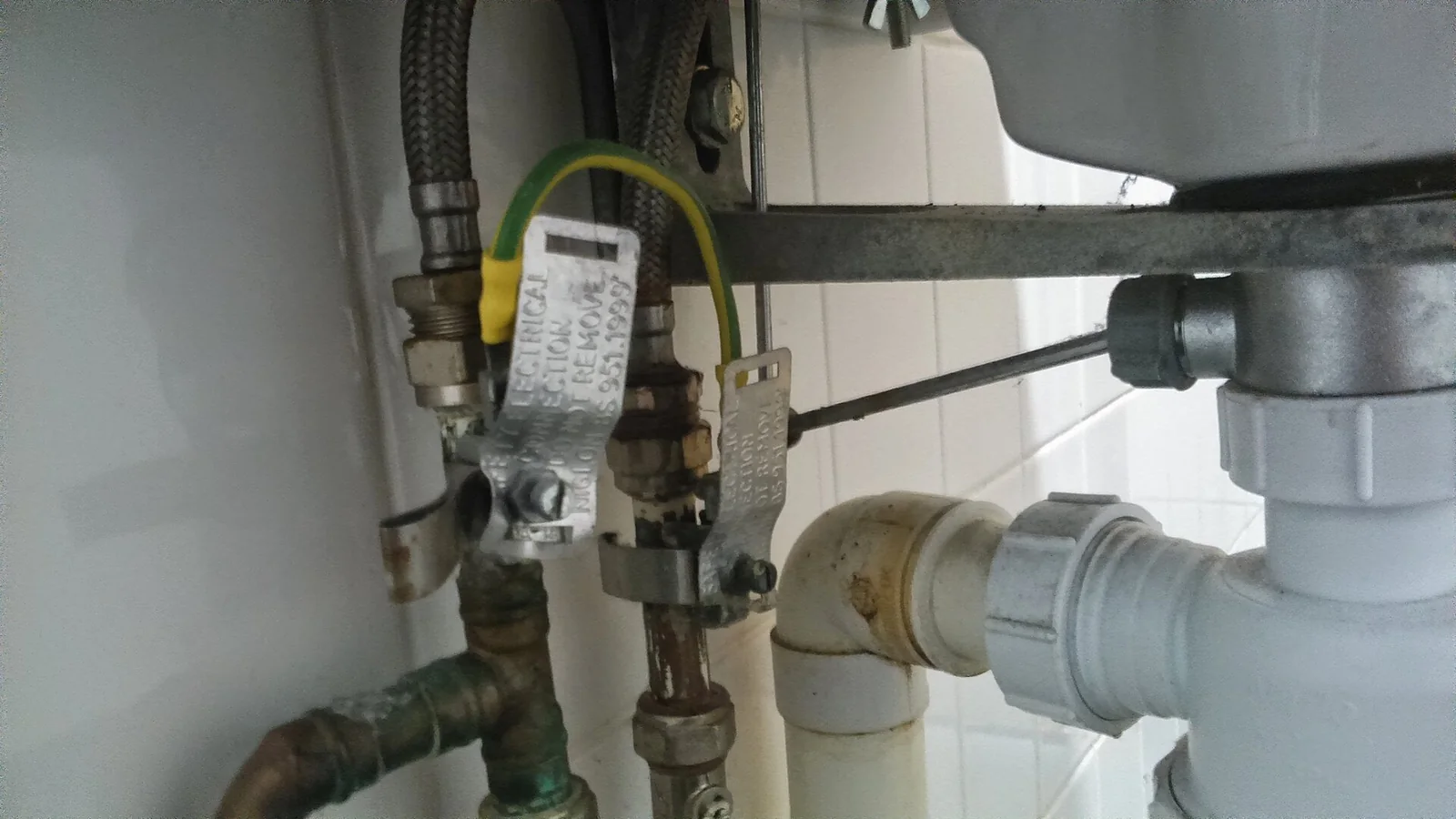
Jammed, humming or leaking disposals cleared, reset or swapped for a new unit under the sink.
More on Garbage Disposals →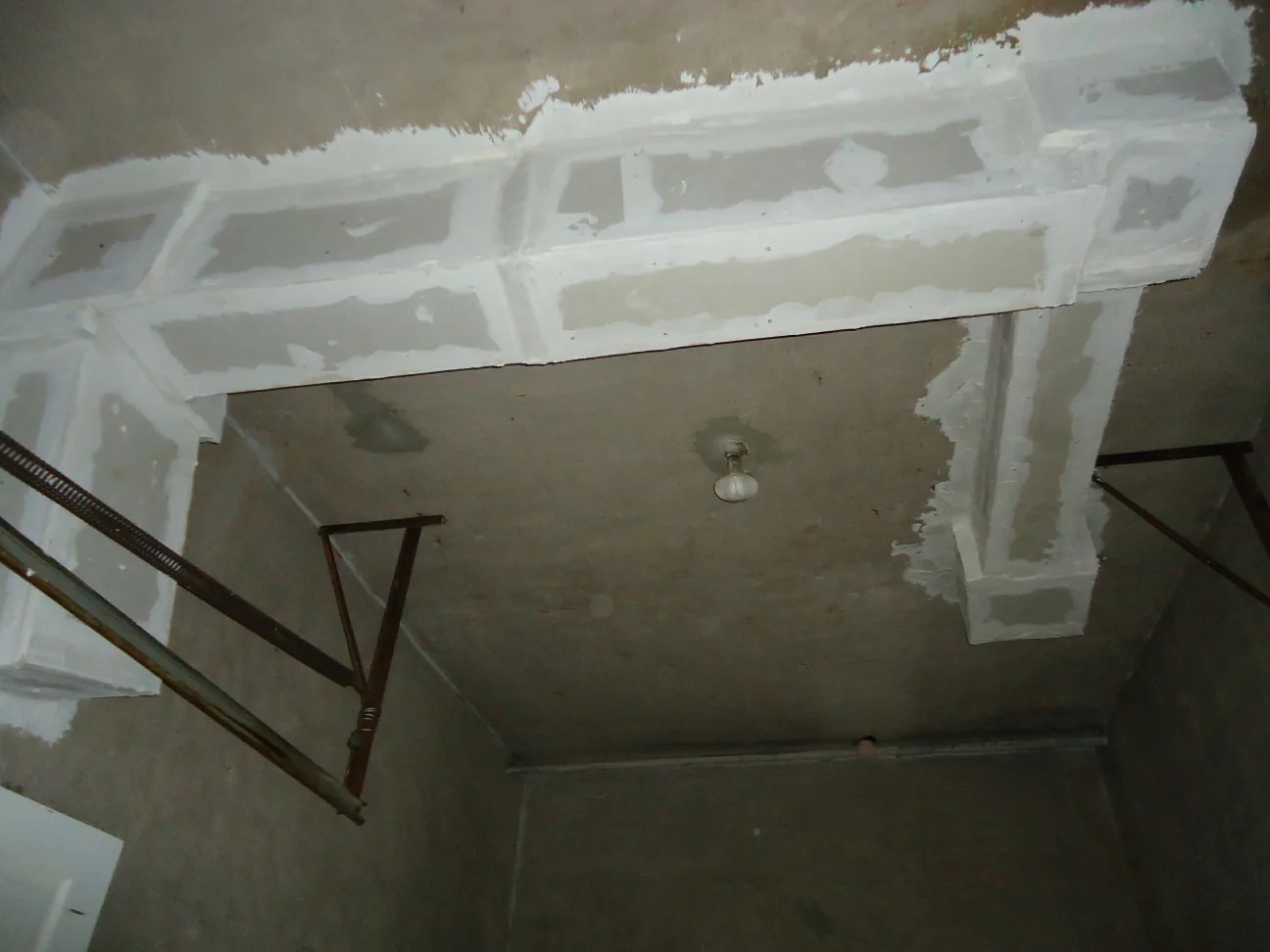
Holes, cracks, nail pops and water-stained patches cut out, taped, mudded and blended.
More on Drywall Repair →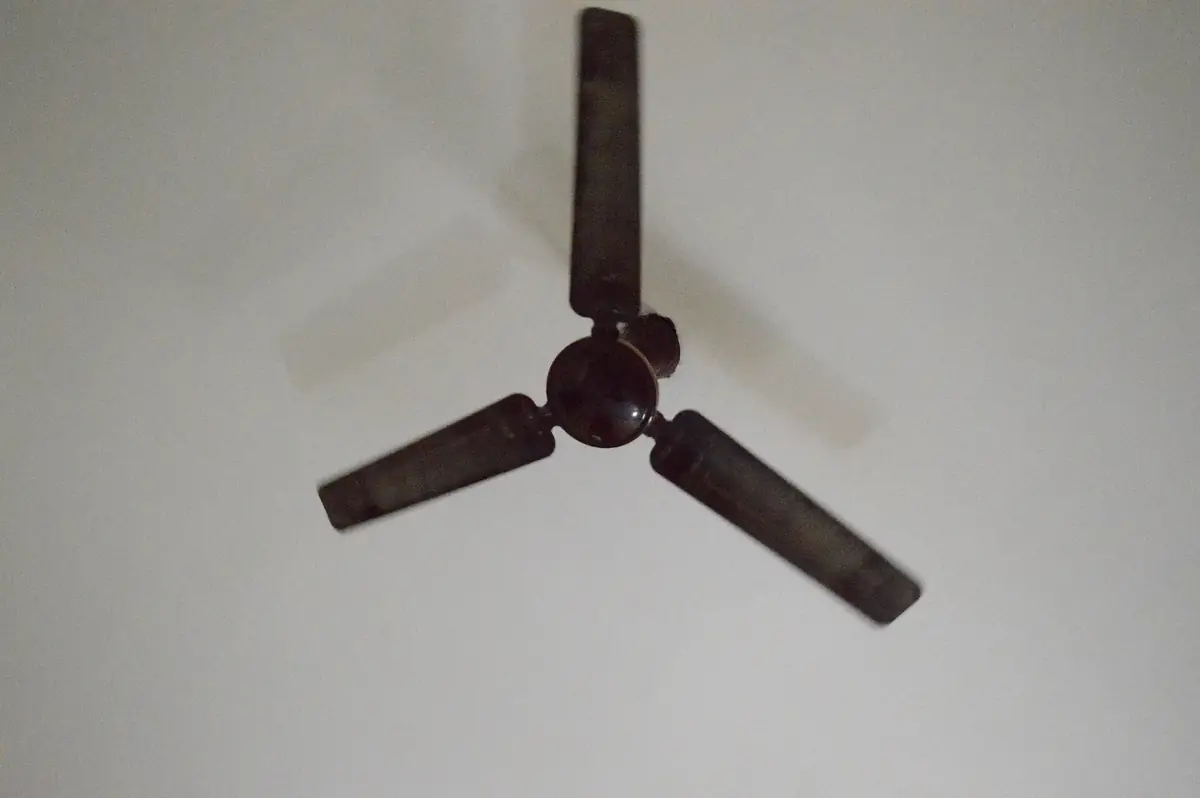
A fan hung on a box rated to carry it, balanced so it stops wobbling at full speed.
More on Ceiling Fan Installation →
A screen mounted into studs or the right concrete anchor, with the cables kept tidy.
More on TV Mounting →